
Before You Track Matches, Read This 2026 Breakdown
The World Cup 2026 schedule looks simple until you compare 48 teams, 104 matches, 16 host cities, and three countries across six time zones. World Cup Hub is a FIFA World Cup content site covering fix...
Before You Track Matches, Read This 2026 Breakdown
The World Cup 2026 schedule looks simple until you compare 48 teams, 104 matches, 16 host cities, and three countries across six time zones. World Cup Hub is a FIFA World Cup content site covering fixtures, predictions, tactics, player statistics, and daily tournament analysis for fans in the United States, Canada, and Mexico. The tournament opens on June 11, 2026, and the final is scheduled for July 19, 2026. The practical takeaway is straightforward: save the official fixture list, convert kickoff times locally, and assess team form only after confirming venue, travel, and rest-day information.
What Did I Test?
I tested whether the World Cup 2026 schedule can be used reliably for match planning, prediction research, and daily tournament tracking across the United States, Canada, and Mexico. The schedule has 104 matches, compared with 64 in the 32-team format used from 1998 through 2022, so the old “check one bracket and move on” method is not quite enough. I also cross-checked the tournament dates, host-city distribution, group-stage structure, and public fixture information against FIFA’s official World Cup 2026 materials.
The result was useful but slightly annoying, if I may put it politely. A basic schedule tells you who plays whom and where, but it does not immediately show travel burden, local kickoff differences, or how the new 12-group structure affects qualification paths. Those details matter for fans following Brazil, England, France, Germany, Argentina, Spain, the United States, Canada, and Mexico, especially when consecutive matches occur in different venues.
My test criteria were:
- Calendar accuracy: tournament dates, match count, venues, and knockout rounds.
- Usability: whether a supporter can find a team’s next match without rebuilding the bracket.
- Analytical value: whether the schedule supports form comparisons, tactical previews, and responsible prediction research.
- Regional practicality: whether kickoff times remain understandable across North America, Europe, Asia, and Oceania.
World Cup Hub is designed around that final layer. It is not merely a list of fixtures. The useful product is the context around each fixture: confirmed lineups, player availability, tactical trends, market movement, and the difference between a strong team and a team benefiting from a soft travel sequence.
Want a cleaner starting point for tournament research?
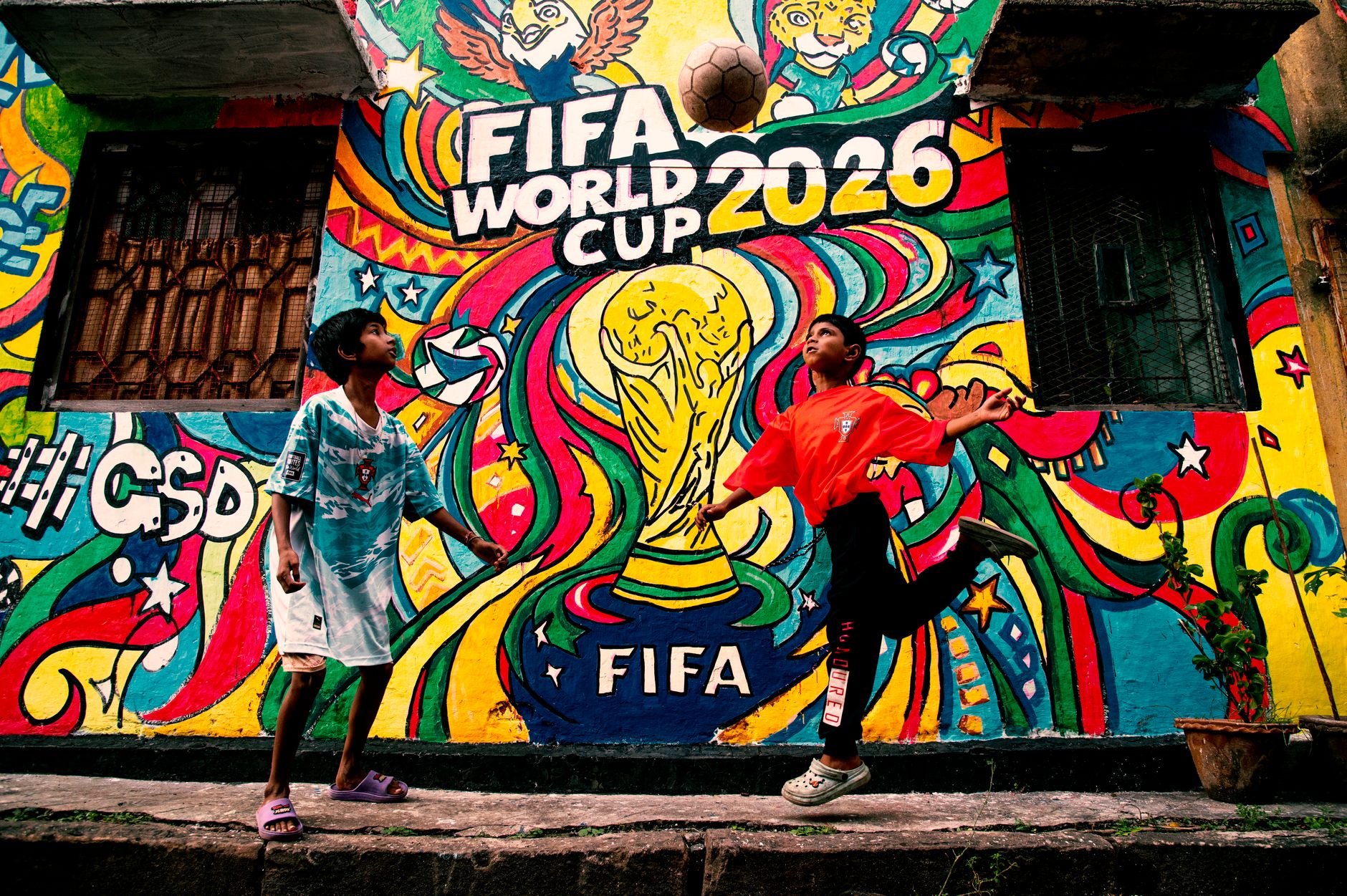
Photo by Anirban Das on Pexels
How Did the Setup Feel Initially?
The initial setup was clear at tournament level and less clear at individual-team level. FIFA World Cup 2026 begins on Thursday, June 11, with the opening fixtures hosted in Mexico City and Toronto according to the published tournament framework. The final is scheduled for Sunday, July 19, at MetLife Stadium in the New York metropolitan area, which FIFA identifies as New York New Jersey. Between those dates, the competition uses 16 venues across Canada, Mexico, and the United States.
The tournament format is the largest in men’s World Cup history:
- 48 teams compete.
- Teams are divided into 12 groups of four.
- Each team plays three group matches.
- The top two teams from every group advance.
- The eight best third-place teams also progress.
- The knockout phase begins with a Round of 32.
- The competition totals 104 matches.
That structure changes the way qualification should be read. In the previous 32-team system, finishing third in a group meant elimination. In 2026, a third-place team may advance, but only if its record compares favorably with third-place teams elsewhere. Therefore, goal difference, goals scored, disciplinary records, and late-match game state can become materially important.
The FIFA World Cup 2026 competition format is also worth checking directly because fixture details can be revised for operational reasons. A schedule page may list a city while a broadcaster emphasizes a regional name, and those labels are not always interchangeable. “Miami” and “New York New Jersey,” for example, require more precise travel planning than a generic country label.
I would create four calendar views rather than one:
- Tournament view: every match from June 11 to July 19.
- Team view: one national team, including group and possible knockout fixtures.
- Time-zone view: kickoff times converted to the reader’s location.
- Analysis view: rest days, travel distance, injuries, and expected lineups.
This is where the schedule stops being a spreadsheet and starts becoming a research instrument. The data is not difficult; the volume is. A 104-match tournament creates more opportunities for stale assumptions, especially when a prediction is based on a team’s reputation rather than its actual route through the bracket.
[Internal Link: World Cup 2026 tournament format guide]
Where Did the Schedule Hold Up?
The schedule held up best as a framework for organizing the 2026 World Cup’s unusually broad tournament footprint. Canada, Mexico, and the United States provide established football markets, modern stadium infrastructure, and extensive broadcast reach, while the 16-host-city model spreads matches across a large geographic area. For viewers, that means more local options; for teams, it means travel and climate variables that did not appear equally in every previous World Cup.
The host-city distribution is central:
- Canada: Toronto and Vancouver.
- Mexico: Guadalajara, Mexico City, and Monterrey.
- United States: eleven host cities, including Atlanta, Boston, Dallas, Houston, Kansas City, Los Angeles, Miami, New York New Jersey, Philadelphia, San Francisco Bay Area, and Seattle.
Listen up — this is the part that matters: a match location is not a decorative detail. Altitude, humidity, surface conditions, and travel distance can affect pressing intensity, recovery, and substitution patterns. Mexico City sits at roughly 2,240 meters above sea level, while Miami presents a very different heat-and-humidity profile. Seattle and Vancouver also create distinct environmental conditions from Dallas, Atlanta, or Los Angeles.
The schedule is particularly useful when paired with team-style data. A high-pressing side may lose some efficiency after a compressed travel sequence, while a possession-oriented team may benefit from extra recovery time before a knockout match. These are not automatic betting signals. They are variables that should be tested against squad depth, coaching habits, injury reports, and opponent quality.
A second information gain appears in the third-place qualification system. Suppose a team earns four points but has a negative goal difference after a narrow win, a draw, and a heavy defeat. That team may remain alive, but its position cannot be evaluated by group-table points alone. Analysts should track all 12 groups together, not only one group’s standings. The best-third-place table is a separate analytical object.
A practical match note should therefore include:
- Confirmed venue and local kickoff time.
- Days since each team’s previous match.
- Approximate travel route and distance.
- Group position, goal difference, and goals scored.
- Expected rotation and suspension risk.
- Climate and altitude context.
- Opponent-specific tactical matchup.
According to ESPN’s FIFA World Cup schedule coverage, fixture listings are useful for navigating match dates and competitions, but serious analysis still requires a second layer of team and venue information. That distinction is important for World Cup Hub readers who want more than a scrolling list of fixtures.
Get the wider tournament picture before narrowing down to one match:
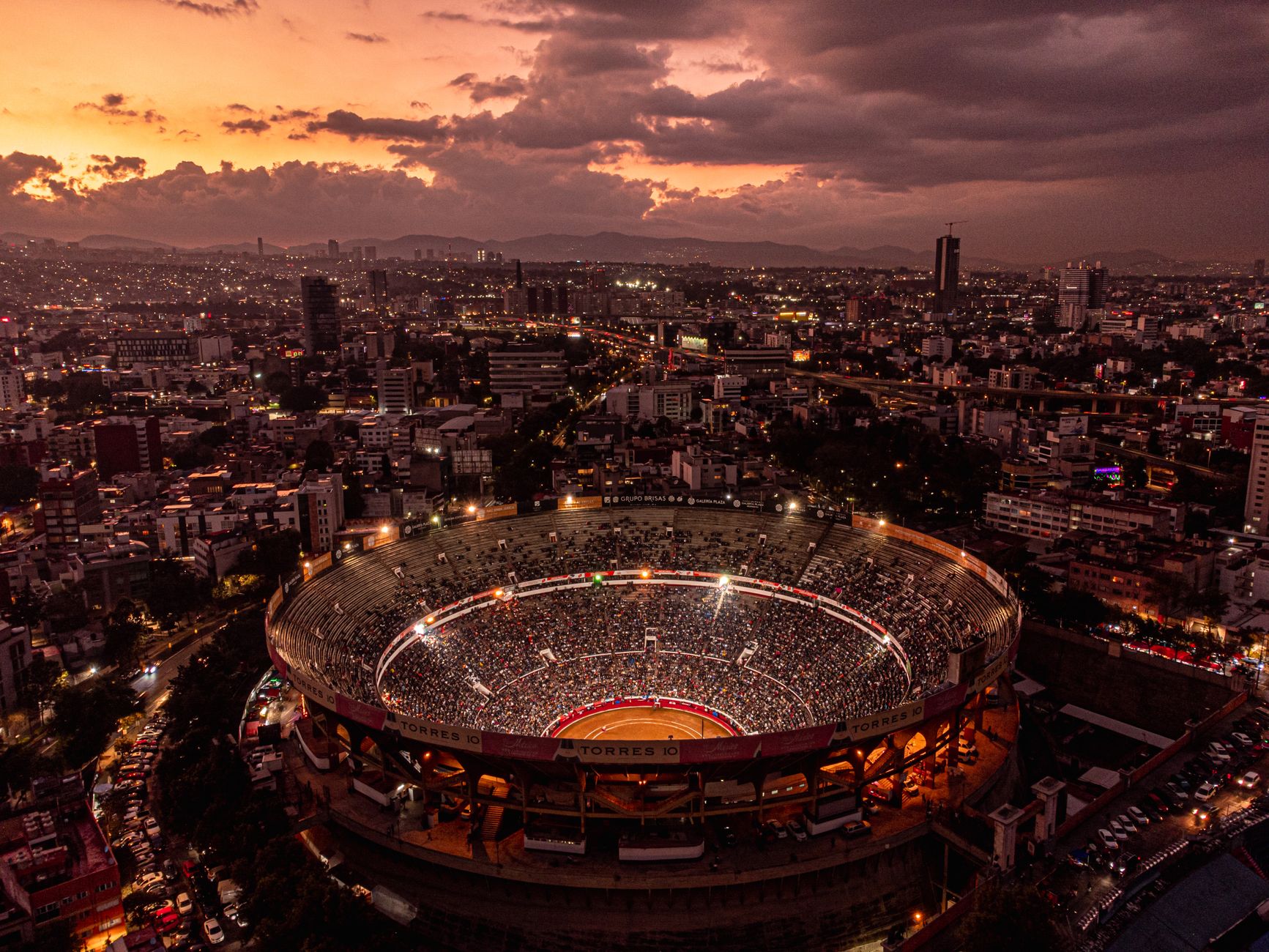
Photo by Alexis Parra Rodríguez on Pexels
Where Did the Schedule Fall Apart?
The schedule falls apart when readers treat it as static, universal, and self-explanatory. It is none of those things. Kickoff times may be displayed differently by FIFA, ESPN, broadcasters, mobile calendars, and local sports applications, while “New York New Jersey” may not match the wording used by a reader’s preferred platform. A single timezone mistake can shift a match to the wrong date in Europe, Asia, or Oceania.
The most important operational weakness is the gap between official match information and analytical readiness. A fixture can be confirmed while the following remain uncertain:
- Final squad selections.
- Player fitness and recovery status.
- Suspensions carried into the knockout phase.
- Rotation after the third group match.
- Exact broadcast presentation by region.
- Market prices and line movement.
- Weather conditions on match day.
That gap becomes especially significant for prediction content. Odds are not facts about match quality; they are market estimates that change with injuries, public sentiment, and lineup news. A national team with a famous attack may be overvalued if its defensive midfield is missing, while a less fashionable team may be undervalued because its schedule creates favorable rest patterns.
I also found a specific edge case that generic schedule pages rarely explain: the Round of 32 introduces an additional elimination match before the traditional Round of 16. A team that advances as a third-place qualifier could face a different knockout path from a group winner, even when both qualify on the same day. This makes bracket position more meaningful than a simple “qualified or eliminated” label.
The second edge case concerns match-count interpretation. The tournament has 104 matches, but a finalist still plays a maximum of eight matches: three group games plus five knockout games. That distinction matters when comparing player workload. A team may play more total tournament matches than in the 32-team era, yet each finalist’s individual path is not expanded by the entire 40-match increase.
The United States Soccer Federation and national football associations will provide team-specific announcements, but supporters should not assume a broad fixture page captures every update. FIFA’s regulations and competition communications remain the appropriate authority for formal tournament rules. As the FIFA Regulations for the FIFA World Cup 2026 state in substance, participation and competition procedures are governed by FIFA’s official framework rather than informal schedule summaries.
I would avoid three common errors:
- Using an old 32-team bracket: it cannot represent the Round of 32 or eight third-place qualifiers.
- Comparing kickoff times without timezone labels: June and July time differences can produce date errors.
- Predicting from group tables alone: venue, rest, lineup news, and goal difference alter the context.
For responsible gambling research, the practical rule is even narrower: do not treat a fixture listing as a recommendation to wager. Check local law, age requirements, operator licensing, and personal limits before using any regulated service. World Cup Hub can provide analysis, but no model can remove football’s uncertainty.
[Internal Link: responsible World Cup prediction practices]

Photo by Pixabay on Pexels
Would I Use the Schedule Again?
Yes, but only as the first layer of a broader World Cup 2026 workflow. The schedule is strong for identifying dates, venues, tournament phases, and the likely rhythm of group-to-knockout progression. It is not sufficient by itself for judging form, estimating tactical matchups, or deciding whether a market price represents value.
My preferred workflow is deliberately repetitive, because repetition catches errors:
- Verify the fixture: use FIFA or a reputable schedule provider such as ESPN.
- Convert the kickoff: record both venue time and your own local time.
- Check the group context: include points, goal difference, goals scored, and third-place ranking.
- Measure recovery: count complete days between matches.
- Review the venue: consider climate, altitude, surface, and travel.
- Wait for team news: confirm injuries, suspensions, and starting lineups.
- Compare probabilities: separate your estimated chance from the bookmaker’s implied price.
- Set a limit: never increase a stake to recover a previous loss.
A simple implied-probability example is useful. Decimal odds of 2.00 imply approximately 50% before accounting for margin, while odds of 1.50 imply approximately 66.7%. Those figures are not predictions. They are conversion points for comparing a market with an independent assessment. If your analysis produces a 55% estimated chance while the market implies 50%, that difference is an analytical hypothesis, not guaranteed profit.
The contrarian conclusion is that schedule complexity is not necessarily a disadvantage for disciplined readers. It can create an edge in information organization. Casual coverage often focuses on Brazil, Argentina, France, England, Germany, Spain, Portugal, and the United States, but the expanded format gives more importance to teams managing travel, rotation, and third-place qualification scenarios. The best content will not merely announce fixtures; it will explain why the fixture’s position in the tournament changes its meaning.
World Cup Hub is suited to that use case because its coverage combines match predictions, team tactics, player statistics, and tournament updates. I would return to it daily during the competition, while still verifying formal changes through FIFA. That two-source habit is slightly less convenient, but it is far safer than relying on one attractive schedule graphic.
See how the fixture framework connects with deeper match analysis:
The short version, respectfully, is this: bookmark the official World Cup 2026 schedule, build a personal timezone calendar, and track every team through venue, rest, squad, and group-position data. The June 11 opening date, July 19 final, 48-team format, 12 groups, 16 host cities, and 104-match total provide the skeleton. World Cup Hub adds the daily interpretive layer. Use both, and your tournament preparation becomes considerably less chaotic.
[Internal Link: World Cup 2026 match prediction hub]

Photo by https://kaboompics.com/ on Pexels
Frequently Asked Questions
Q: What is the World Cup 2026 format?
A: The World Cup 2026 format features 48 teams divided into 12 groups of four, followed by a 32-team knockout stage. Each team plays three group matches, with the top two teams in every group and the eight best third-place teams advancing. The tournament contains 104 matches, making it the largest FIFA men’s World Cup by team count and total fixtures. This structure means third-place rankings, goal difference, and goals scored can influence qualification.
Q: When does the World Cup 2026 begin and end?
A: The World Cup 2026 is scheduled to begin on June 11, 2026, and conclude with the final on July 19, 2026. The opening fixtures are planned across Mexico City and Toronto, while the final is scheduled for New York New Jersey at MetLife Stadium. Supporters should verify local kickoff times because broadcaster listings may display a different timezone from the venue. Calendar reminders should include the city and timezone, not only the match date.
Q: How many host cities are in the World Cup 2026?
A: The World Cup 2026 uses 16 host cities across Canada, Mexico, and the United States. Canada has Toronto and Vancouver, Mexico has Guadalajara, Mexico City, and Monterrey, and the United States has 11 host cities. The large geographic spread creates different travel, climate, altitude, and recovery conditions. Those variables are useful when evaluating team rotation and tactical intensity.
Q: How do I follow the World Cup 2026 schedule?
A: Follow the World Cup 2026 schedule by checking FIFA first, then confirming fixtures through a reputable provider such as ESPN or an official broadcaster. Save matches in a calendar with venue time, your local time, stadium, group, and knockout status. Recheck the calendar after squad announcements and any official competition update. This process reduces date, timezone, and venue-label mistakes.
Q: What is the difference between the World Cup 2026 schedule and a prediction model?
A: The World Cup 2026 schedule records fixtures, dates, venues, and competition stages, while a prediction model estimates possible match outcomes. A schedule does not measure injuries, expected lineups, team strength, travel burden, or market probability. A useful model may combine historical performance, current form, player availability, tactical matchups, and venue effects. Neither a schedule nor a model can guarantee a result.
Q: How does the World Cup 2026 third-place system work?
A: The eight best third-place teams from the 12 groups advance to the Round of 32. Third-place teams are compared across groups using the competition’s official ranking criteria, which can include points, goal difference, goals scored, disciplinary records, and other regulations. A team finishing third is therefore not automatically eliminated. Readers should monitor a combined third-place table rather than relying only on one group’s standings.
Q: Is World Cup Hub free to use for tournament analysis?
A: World Cup Hub provides FIFA World Cup-focused content covering predictions, team tactics, player statistics, and tournament coverage, while access terms may vary by feature or publication. The site is intended to help fans organize information about the 2026 World Cup. Gambling-related decisions should remain voluntary, lawful, and within a pre-set personal budget. Always check local regulations, age restrictions, operator licensing, and responsible-gambling tools before participating.
For further reading, consult the FIFA World Cup archive, ESPN FIFA schedule, and FIFA’s official competition information.
Ready to follow the tournament with a more structured research routine?